I sew quite often and have been fortunate enough to make many sewing projects for both beginners and advanced over the years. Because of this, I have had to learn all about various types of sewing machines needle sizes, plus their uses. It might seem like a small detail, but the size of your needle can be all that stands between beautiful stitches and well, a ratty old seam. That’s why I made this guide of everything I know about sewing machine needle sizes for different fabrics – when to choose what type, where you can get the size chart, and useful tips, whether it be a Singer Machine, a Pfaff, or any other brand.
Sewing Machine Needle Sizes Matters
When I was new to sewing, I would ignore the needle size and use whatever was in my spool to sew all of the things. Big mistake! A different sewing needle size for each cloth type should be used to prevent such problems as skipped stitches, disrupted or broken threads, and punctured fabrics. Jeepers – a bit of knowledge of what kinds of sewing machine needles I can and when to use them wouldn’t go astray either!
Understanding Sewing Machine Needle Sizes Explained
If you have ever been confused about sewing machine needle sizes mean, let this guide help clear things up!
There are two types of needle sizing system used: the American-sized system numbers like 8,10,12,14 etc and European or metric system measured in millimeters like 60,70,80,90 etc.
A US #12 is approximately the same size as a metric 80. This is how to know the size of a hand sewing needle in mm. This comes in handy, especially when you like to purchase needles that have their measurement written in metric.
Here is a quick bit of wisdom that I have found: The smaller the number, the finer the needle and lighter weight fabric it is meant for. — The larger your number, the thicker your needle and heavier your fabric.
Sewing Machine Needle Size Chart
To save you from wanting to pull your hair out, I have created a WHAM-BAM (easy for you, the reader) guide to sewing needle sizes in relation to my learnings about different types of fabrics.
| Fabric Type | Needle Size (US) | Needle Size (MM) |
| Lightweight Fabrics | 8-11 | 60-75 |
| Medium Weight Fabrics | 12-14 | 80-90 |
| Heavyweight Fabrics | 16-18 | 100-110 |
| Denim & Canvas | 18-20 | 110-120 |
| Stretch Fabrics | 75-90 (ballpoint) | 75-90 |
(That’s a rough figure, of course, but it has saved me a lot of time — and hassle — especially when I’m juggling wildly different materials back and forth between projects.). Here is Sewing machine Needle Size Chart in PDF.
Sewing Machine Needle types: Which one should you choose
Sewing Machine Needles – So many needles! There is universal, ballpoint, sharp, and specialty needles for a reason:
Universal Needles– I refer to these as my general needles. Perfect for woven and some knit fabrics, they are available in multiple sizes.
Ballpoint needles: You will absolutely want this for any knit or stretch fabric so that you don’t cut through the fibers.
Sharp or Microtex Needles: With a sharp point, they work well with closely woven fabrics such as silk or microfiber.
Denim Sewing Needles: These are just the needles you want to use for sewing a super heavy denim or canvas.
Leather needles – these have a knife-shaped point for cutting through leather and vinyl as you sew.
I was working with a scrap of stretch jersey, for example, and when I switched to a ballpoint needle, it eliminated runs (soy pigtail) and holes that my trusty old universal needle left behind.
- Sewing and Embroidery Machines
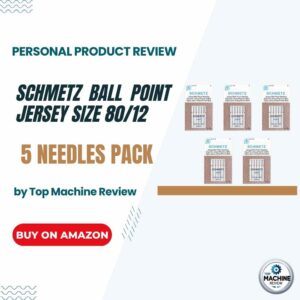
Schmetz 1714C Ball Point Jersey Size 80 12 Sewing Machine Needles
Buy on Amazon - Sewing and Embroidery Machines
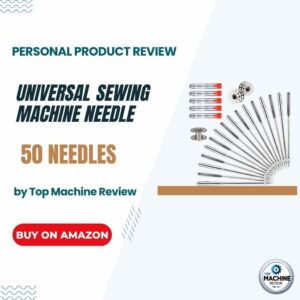
Sewing Machine Needles – 50 PCS Universal Pack (HAX1 Sizes 65/9, 75/11, 90/14, 100/16, 110/18)
Buy on Amazon - Sewing and Embroidery Machines
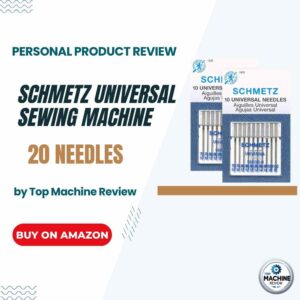
Singer Sewing Machine :10-Pack Universal Size 90/14 Review
Buy on Amazon

Sewing Machine Needle sizes for different fabrics: My Real World Experience
(When I first started sewing heavy material like denim and canvas, my high-horse-size-12 needle worked fine, and guess what? It bent within minutes. That taught me always to use the right needle size for fabric weight. An 18-size denim needle has saved me hours of irritation, and easily hundreds (maybe even thousands) of (re)drawing.
Here are a few of my own stats that I have found helpful on what needle to choose for a sewing machine and when working with different fabrics:
- Cotton and silks: size 8-11 (60-75 mm) needles.
- Medium-weight cotton, polyester: Size (80-90), and a universal needle size 12 or 14
- Denim, canvas: size 18 (110) denim needle
- Woven and Knit: 75-90, Ballpoint needle
So these tips and tricks I’m sharing have been a result of a lot of trial and error, but they have 100% helped me take my sewing skills up a notch.
If you desire to discover the latest and modern-day styles, and you have decided that you want to learn how to sew, finding a good entry-level embroidery machine can be a difficult task for those who do not know.
Singer Sewing Machine Needle Size Guide Next up, I’ve got a Singer sewing machine needle size guide here for you guys because there are the most sewers out there who sew on Singer machines. Size-coded singer needles still leave figuring out which one to use on what fabric up to you. There are labeling needles in sizes similar to the above I described, but there is still needle education size original special picture embroidery quilting joining package.
Just one word of advice: Make sure to use your Singer needle chart, included with the machine or in its manual. I have a needle guide on the wall in my sewing room.
Sewing Machine Needle Sizes UK and India: What’s Different?
I saw different parts of the country and observed some differences beyond where needs were being met. For example, a UK sewing machine needle size can use a measuring system from another country, such as the USA and India. But it is refreshingly conventional for sizing when compared with the rest of the world.
You can get a set of needles in India – Other popular brands include Schmetz and Organ, which also mark the needle size (both us & metric), so in a way, you can stick to keep everything uniform.
Pfaff 18 Sewing Machine Correct Needle Sizes: My Pfaff Experience
This Pfaff 18 sewing machine was critical to my process. As with any other mechanism, the needle size is an important factor. This is what works for me: I use a size 80/12 universal needle on standard woven cottons, but I like to go up to either a 100/16 or 110/18 when working with heavier fabrics, such as leather and denim.
Pfaff 18 is an investment in your creativity. Pfaff 18 machine ~ to last you throughout the years of your sewing experience, and as it loves and cares for the rightful needle for the magnificent model. I had myself occupied with finding more about this great model, along with sharing these pros with fellow users of Pfaff, my dear readers.
Hand Sewing Needle Size in MM: What You Know
This is a machine needle guide – but you might also need to know your hand sewing needle sizes in mm, for a little bit of hand finishing or mending. Hand sewing needles also vary in thickness and type, depending on the fabric being sewn. – The higher the number assigned to the needle, the thinner the needle. For lightweight fabrics, use thin needles; for heavier fabrics, use thick needles. if you want to learn in detail about Needle of a Sewing Machine its types and sizes then read it.
YouTube Review Videos
Here are some reviews of sewing machine needle sizes and uses you will find on YouTube:
Sewing Machine Needle Types and Uses Video Review
Conclusion
If there were one thing about all my pains that I could recommend, it would be to do yourself a favor and get to know sewing machine needle sizes: the sizes and their uses can make your projects amazing. If you are any sewer, from amateur to professional, the type of needle you use can make the difference between a sewing project that gives great results and one that has you pulling your hair out.
This is a chart I look at every time I’m sewing and urge that all sewers have lying around, you need to understand what types of needles are available for us to use, but ultimately trust yourself and machine/fabric – they will tell you which needle you’re going to be poking it through your fabrics with”. Happy sewing!
FAQs
Q. How can I know the size of a sewing needle?
A: It depends on the type of fabric you are using and the weight. For lighter fabrics, you would use small size needles (8-11 or 60–75 mm) and larger needles (16-18 or 100–110 mm) for the heavier ones. You will need: Thread Needle (same size as Universal or Ballpoint, etc) For Your Project. Don’t know which one it is you’re after, but a sewing needle size chart can aid you in understanding what kind of needles are ideal for your task.
Q: What are the purposes of the 90/14 needle?
A: The 90 /14 is for heavyweight woven fabrics (denim, canvas, and could be used for upholstery fabric). It’s a little heavy but not giant like the smaller ones, and the sweet spot for fabric that isn’t quite so nasty it needs a finer needle, but fussy enough that an 18/110 would be overkill.
Q: What size needle to sew 16/100?
A: Needles are suitable for denim, canvas, or leather. It’s thicker and stronger than the finer needles, so give it a try when you need to sew through something very thick or tough that would bend or break other needles.