I’ve tested and lived with several home espresso machines over the past few years, and if there’s one thing I know, it’s that selecting the right machine is about more than just brand hype. It’s about how you really drink coffee at home, what sort of effort you want to put in, and what kind of espresso experience gets you up in the morning. For this article, Best Home Espresso Machines Explained: Breville, Nespresso, Philips & Ninja Compared, I will share my personal experience, pragmatic advice, and informed opinions to help you make a decision with confidence.
I’ve brewed everything from simple morning shots to painstakingly dialed-in specialty coffee, using a wide range of coffee beans, ground coffee, and machines at various price points. This guide is based on real home (not showroom) use.
Why It Matters to Pick the Appropriate Home Espresso Machine
Purchasing an espresso machine for your home is a long-term investment. Unlike a drip brewer, an espresso maker is integrated into your daily routine. When I purchased my first machine, I had no idea how essential temperature stability, water pressure, and flow really are. They influence the flavor of your espresso shots.
Nice machine , it lets you enjoy café-style drinks without any hassle. A bad one gathers dust on the counter. That’s why it’s important to understand the distinctions among brands like Breville, Nespresso, Philips, and Ninja.
The Basics: Coffee Beans, Ground Coffee, and Espresso Shots
Before getting into machines, let’s discuss inputs. A good home espresso machine won’t do much for you without quality coffee beans. It is quite incredible the difference in taste between freshly roasted, ground beans and pre-ground coffee, especially in terms of flavor and crema.
Some machines perform best with freshly ground beans, and others are well-suited to ground coffee or capsules. If you like tinkering with grind size, dose, and extraction time, you’ll want more control. If convenience is most important to you, automation may be more significant than accuracy.
What Makes Great Home Espresso Machines Great
From experience, these features really matter when comparing machines:
Temperature Stability and How Hot Water is Controlled
A stable, even temperature is the most important factor for great espresso. Machines that vary result in sour or bitter shots. When it comes to shot-pulling, quality machines should regulate hot water delivery with accuracy, even for consecutive shots.
Built-in Grinder vs Separate Grinder
With a built-in grinder, the espresso maker grinds beans directly into its filter holder; it can also be used with ground coffee. I thought this was perfect for a busy morning. But separate grinders offer greater freedom for enthusiasts.
Size and Counter Space
Even if an espresso machine is designed to fit into your tight kitchen, the quality of its extraction might be compromised: For its small size, factors such as steam pressure and water capacity are reduced.
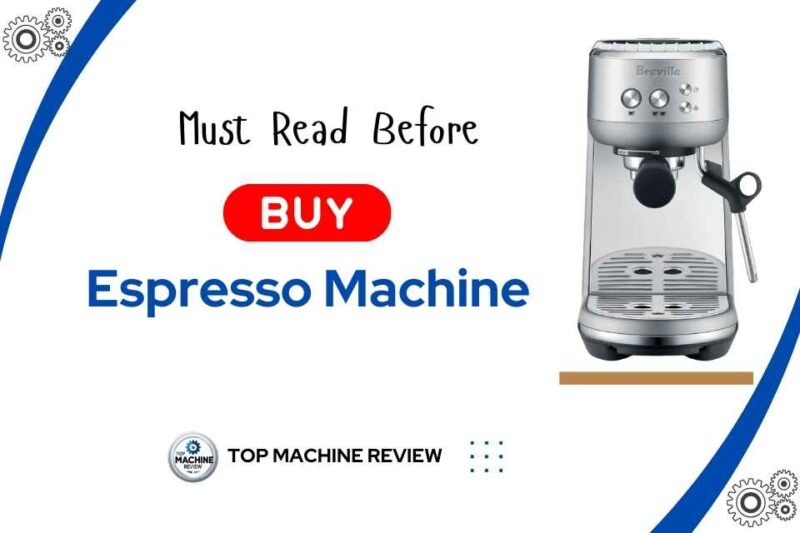
Breville Barista Express Espresso Machine: Best for Control and Craft
I’ve found that a Breville espresso machine is the best compromise on control and usability. Users who want to learn espresso without being overwhelmed will appreciate Breville’s machines.
The thing I appreciate most is the temperature stability and how Breville’s machines are designed to handle extraction. With some good beans, I was pulling cafe-level shots regularly. Many Breville models come with a built-in grinder, making it one of the best espresso machines with grinder options.
Perfect for: Tinkerers who want to keep control and room to expand the system.
Cons: More expensive than capsule machines
Ease of use explained: Espresso Machine Nespresso: Convenience First and Foremost.
An espresso machine , Nespresso: I was reaching for this a lot during a particularly hectic stretch. Capsule machines are all about speed and ease of use. Pop in a pod, press a button, and you have uniform results every time.
Nespresso doesn’t capture all the nuance of freshly ground specialty coffee, but the convenience is unrivaled. Many users accept this trade-off.
Best for: Busy homes and new espresso drinkers
Downside: No control, and the ongoing cost of capsules
Philips: Espresso Machine Philips — Reliable, Fully Automatic offerings
A Philips espresso machine is perfect for those who want to enjoy bean-to-cup convenience without the manual prep work. These devices grind coffee beans, tamp, brew, and even self-clean.
I have found Philips’ excellent machines to be very reliable and capable of making 40 to 50 cups of coffee. Perhaps the espresso isn’t quite as nuanced as from a semi-automatic, but when you’re pulling it every morning, reliability counts. Its integrated grinder and automated workflow make it one of the best espresso machines for home users who prioritize ease while appreciating freshly ground beans.
Best for: Those wanting simplicity and the taste of fresh coffee.
Cons: Not as much flexibility for power users
Espresso Machine Ninja: Adaptable Yet Easy on the Pocket
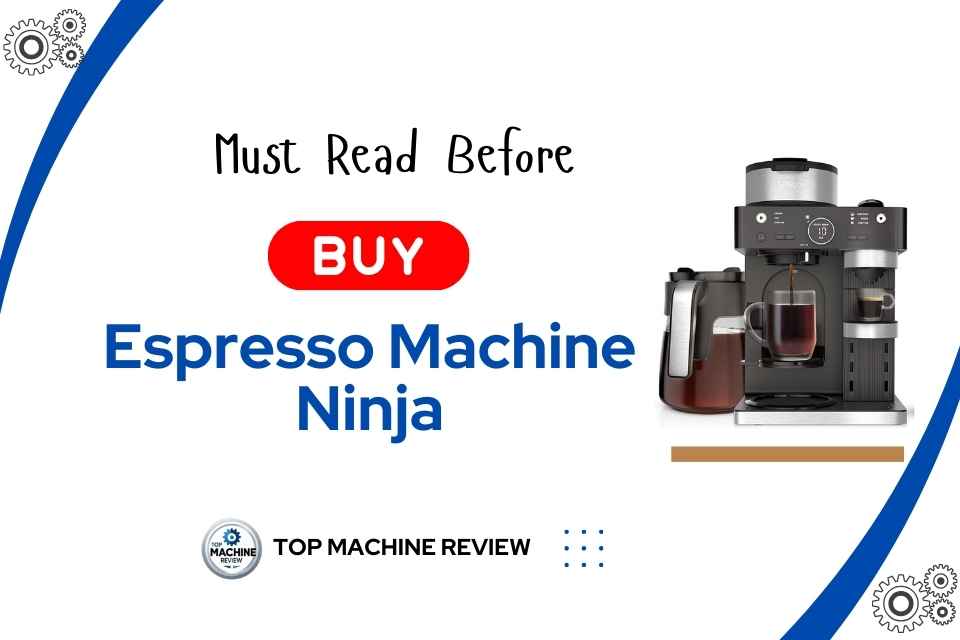
The Ninja espresso maker surprised me the most. Ninja models frequently perform the functions of espresso, drip, and specialty brew makers — all in one machine. The versatility of this type of home coffee roaster is appealing to households with diverse preferences.
Although Ninja won’t cater to purists who demand above-average espresso extraction, it’s definitely worth the cost. It’s particularly helpful if you’re making a regular coffee one minute and an espresso shot the next.
Best for: Families and couples of mixed coffee drinkers
Cons: Lower espresso quality than premium-brewing competitors
Finally, a frequent consideration for some shoppers: Should you get a commercial espresso machine or stick with a home-specific model?
One question that comes up time and time again is: Should I buy a commercial espresso machine for home use? I’ve used the commercial ones, and while they are powerful, you can’t really have one at home.
Commercial machines require:
• Dedicated electrical lines
• Regular maintenance
• More counter space
Modern home espresso machines are so good that most people don’t need a commercial model, unless they’re serious hobbyists or running a small shop.
Home Specialty Coffee: My Reality
The day I finally discovered specialty coffee — everything changed. New beans, proper grinding, and a consistent extraction all served to expose flavors of which I’d been previously unaware that espresso was capable. It’s machines like Breville and Philips that made this path possible.
The most important factor to consider is how well you know your machine. Even with a mid-level espresso maker, you can get great results if you know the right grind size, dose, and extraction time. Learn in detail about Commercial Espresso Machine, so you get an idea about both home and commercial espresso.
Which espresso machine is right for home: my honest guide
After years of daily use, my advice:
• If you value convenience above all else, go for Nespresso
• If you want an automated machine with fresh beans, go for Philips
• Select Ninja if you are looking for flexibility at an affordable price
There’s no universal answer. The best machine matches your lifestyle.
Final Thoughts
Ultimately, Best Home Espresso Machines Explained: Breville, Nespresso, Philips & Ninja Compared depends on how you like to drink coffee. I have learned that consistency, fun, and ease of use matter more than the pursuit of perfection.
With great coffee beans, the right temperature stability, and an espresso machine at home, you can have a café experience in your kitchen. So pick wisely, brew frequently, and enjoy every shot.
FAQs
What is the best home espresso machine?
The best espresso machine for you is the one that best fits your preferences. If you like control and café-style shots, semi-automatic machines such as those from Breville can’t be beat. But for convenience and consistency, capsule machines (think: Nespresso) are hard to beat. If you’re looking for the convenience of an automatic model from Philips or Ninja, that’s great too, especially if you just can’t be bothered to grind your beans fresh each time you brew.
What is the 2:1 espresso rule?
The 2:1 rule refers to the espresso brew ratio. You would like for every gram of coffee you’ve used in your shot to yield about 2 grams of liquid espresso in the cup. Ratios will help: 18 g of ground coffee would ideally produce ~36 g of espresso (which should taste balanced in terms of flavor and strength).
What is the best beginner espresso machine?
As a beginner, opt for an easy-to-use machine. Breville semiautomatics are, for good reason, recommended: They walk you through extracting a shot while providing enough hands-on learning to make your own “leisure cappuccino” anytime, anywhere. Nespresso capsule machines are also wonderful if convenience and reliability are your top priorities.
Can you use regular coffee in an espresso machine?
Yes! Many espresso machines can brew coffee in traditional ways. Some can also brew American-style coffee with steam or hot water, make lungo shots, and use adapters for drip-style brewing. But for your everyday coffee, a dedicated drip machine tends to make better-tasting, less bitter, and slightly stronger coffee than most K-Cups do.
Is Breville or DeLonghi better?
Breville and DeLonghi both offer high-quality home espresso machines, but each brand also has its own strengths. Breville usually gives better temperature control and workflow for those who really know espresso. DeLonghi tends to prioritize convenience and a balance of value, particularly in automatic or capsule models. Pick your poison in control (Breville) or simplicity (DeLonghi).